 SmallSpaceNest
The Area Rug Rules Designers Wish Everyone Would Finally Learn
In 2026, the area rug remains one of the most misunderstood characters in the living room drama. It is not a decorative afterthought, not a tiny island, and definitely not a tripwire disguised as home decor. Designers Yvonne Harty and Andrea Sinkin have seen the same rug mistakes enough times to develop a professional twitch. Their advice is simple: a little research before buying an area rug goes a very long way, and a badly chosen rug can make a room look worse than no rug at all.
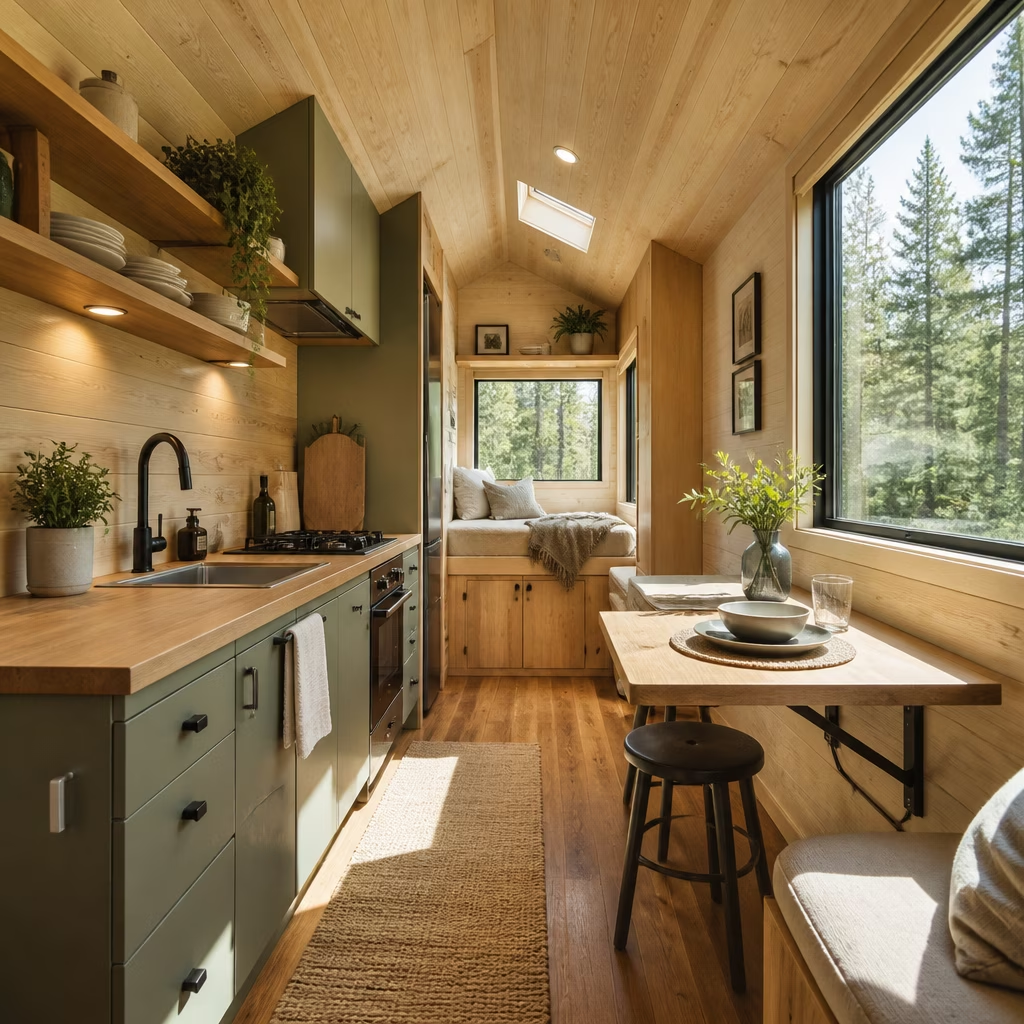
The biggest offender, according to both designers, is size. Sinkin says the number one mistake is going too small, which creates the unfortunate impression of a tiny island floating in the middle of an ocean. Harty agrees and offers a practical rule: pick the largest rug that fits, while leaving at least six inches between the rug and the wall on all four sides. The rug should be big enough for at least the front legs of the sectional, sofa, or chairs to sit on it. That single move grounds the room and makes an instant statement, which is a much better look than a postage stamp pretending to be furniture.
If a homeowner falls in love with a rug that is lovely but undersized, Harty has a stylish rescue plan: layer a larger rug underneath it. This is not a license to build a rug lasagna, but it is a clever way to keep a favorite piece in the room without letting it float off into the decor cosmos.
The Rug That Will Not Stay Put
A rug that slides, curls, or wrinkles is not just visually annoying. It is also a tripping hazard, and no living room needs that kind of surprise. Sinkin has a delightfully low-tech hack: add a dab of hot glue to the corners of the rug. She says just a little dollop will make the rug safe, steady, and less likely to become a household obstacle course. For people who hesitate to apply hot glue to their floors, other non-slip methods exist, but the goal is the same: keep the rug flat, straight, and boringly secure.
Material Matters More Than a Bargain
Harty's biggest material pet peeve is seeing a rug that saves money now and shows wear later. She warns against viscose in high-traffic areas, especially in homes with pets or small children. Viscose stains easily and shows wear, which is a fancy way of saying it may not survive a family room's daily chaos. Wool or soft performance blends are better choices for a family home. In a busy living room, durable and low-pattern rugs are also safer because they avoid visual clutter. A rug can be beautiful without auditioning for a role in a pattern explosion.
| Rug decision | The designer-approved move |
|---|---|
| Size | Go as large as possible, with about six inches between rug and wall |
| Furniture | Let at least the front legs of seating rest on the rug |
| Security | Flatten and secure corners to prevent curling and sliding |
| Material | Choose wool or soft performance blends in busy homes |
| Pattern | Use pattern sparingly, especially in already busy rooms |
Pattern Is a Spice, Not the Whole Meal
Rugs are excellent for introducing geometric prints and floral motifs, but Sinkin cautions that not every room needs more pattern. If the living room already has patterned wallpaper, drapes, or upholstery, a solid-colored area rug can give the eyes a much-needed place to rest. A little mixing and layering is a good thing, but it should be done sparingly. Otherwise, the room starts to look like a fabric sample sale collided with a wallpaper convention.
The 2026 Rug Checklist
For anyone who wants a living room that looks intentional rather than accidental, the checklist is refreshingly short:
-
📏 Measure first and choose the largest rug that fits.
-
🪑 Make sure the front legs of the furniture can sit on the rug.
-
🧷 Secure curling corners and sliding edges.
-
🐾 Skip delicate viscose in high-traffic, pet-friendly, child-friendly spaces.
-
🎨 Use a solid rug as a visual break in an already patterned room.
-
🧶 Choose durable, low-pattern rugs for busy living rooms.
The area rug is not a minor accessory, no matter how casually it gets tossed into the shopping cart. It is the floor-level foundation of the room, and when it is too small, too slippery, too fragile, or too busy, the whole space feels off. Designers have spoken, and their message is clear: go big, secure it, choose smart materials, and let the rug do its quiet job. A good rug grounds the room. A bad one grounds the homeowner's dignity, one curled corner at a time.