 SmallSpaceNest
Furniture Trends 2026: Embracing Warmth, Character and Personal Expression
The year 2026 marks a significant shift in furniture design, moving away from generic trends toward spaces that truly reflect individual personalities. As interior designer Ashley Rose Walsh observes, there's a growing movement toward homes that feel personal and unique to their inhabitants rather than following blanket trends. This evolution represents a fundamental change in how we approach interior design—it's no longer about keeping up with the Joneses, but about creating environments that genuinely resonate with our souls.
The Rise of Tactile Experiences
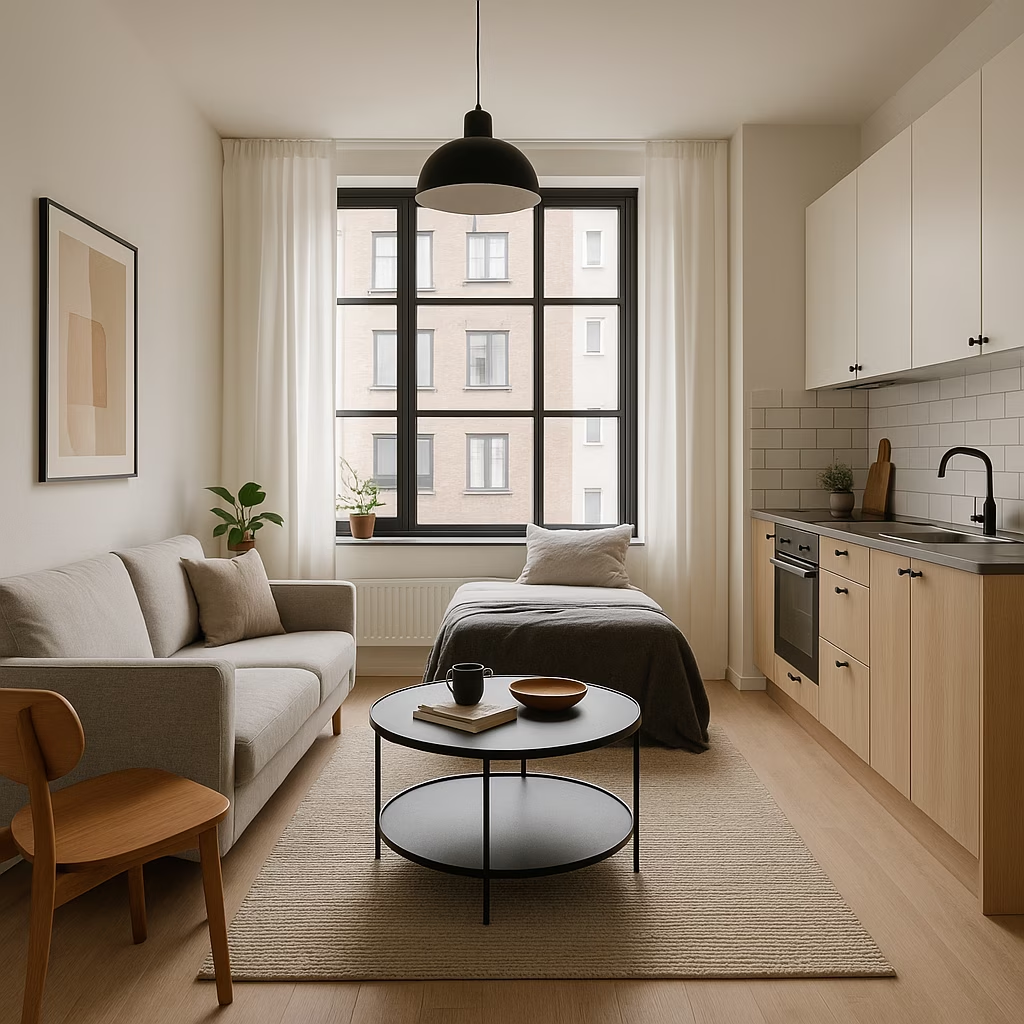
One of the most noticeable trends for 2026 is the emphasis on furniture that feels wonderful to touch. Designers are incorporating chenille, velvet, cotton, and linen materials with intricate textures, alongside rough stone surfaces that invite interaction. "These finishes bring warmth, depth, and a sense of permanence, which makes furniture feel integral to the room rather than fading into the background," Walsh explains. This tactile revolution manifests in various forms, from substantial centerpiece sofas to smaller accent pieces like poufs and side tables that encourage physical connection with our living spaces.
Character-Driven Furniture Takes Center Stage
2026 welcomes what interior designer Anngelica Mohabir calls "character-driven furniture"—pieces chosen specifically for their ability to express personal tastes and interests. "We're seeing an embrace of eclectic individuality—spaces that break away from Eurocentric norms of minimalism or restraint," Mohabir notes. The shift is toward interiors that tell your story unapologetically, using a mix of cultural influences, tactile finishes, and soulful palettes. This means saying goodbye to matching furniture sets and hello to complementary combinations that mix old and new, heirlooms with modern finds.
The Return of Curves and Fluid Silhouettes
The '70s are making a comeback, but with a contemporary twist. Curved furniture with soft, fluid silhouettes is experiencing a major resurgence. Interior designer Stacy Garcia observes, "We're seeing a clear move away from rigid, boxy silhouettes toward pieces with curves, flow, and a sense of ease. What's different this time is the warmth. Instead of the cool, sleek finishes of the past, these reimagined classics are dressed in earthy tones, plush fabrics, and tactile materials." This trend manifests in curved sofas, statement accents, low-slung chairs, and sculptural furniture that literally feels like it's wrapping you in a hug.
Emotion-Driven Color Palettes
Color selection in 2026 becomes less about following trends and more about expressing emotions. Mohabir predicts "color stories that reflect emotion rather than trend, with deeper tones that ebb and flow with your moods—calm mornings, moody afternoons, sensual evenings." This emotional approach to color extends throughout the home, with layers of complementary colors, warm tones, and hues specifically chosen to evoke particular feelings—whether that's peace, energy, or focus.
Warm, Dark Woods and Natural Finishes
Dark, warm woods continue to dominate furniture design in 2026, with particular emphasis on pieces that showcase the natural grain and unique "imperfections" of the material. "Expect to see natural finishes—woods with visible grain, textured fabrics, and mixed materials like wood paired with stone or metal," says Garcia. This trend celebrates the authenticity of natural materials, appearing in coffee tables, side tables, accent chairs, and cabinetry that highlight the inherent beauty of wood.
Bold Patterns and Textiles
For those tired of neutral palettes, 2026 brings exciting news: bold patterns and vibrant textiles are making a major comeback. Mohabir describes seeing "textiles that are geometric and bold, sparking nostalgia for a pattern or texture you encountered on a meaningful trip." This trend offers perfect opportunities to incorporate statement pieces like uniquely patterned chairs, chaises longues, upholstered stools, or distinctive bed frames that tell personal stories.
The Shift Toward Deeper, Richer Hues
While breezy, bright colors still have their place, 2026 sees pale neutrals taking a backseat to deeper, cozier shades. "People are craving richness and personality. Darker finishes add character and comfort, while the collected aesthetic reflects a broader shift toward sustainability and meaningful design," Walsh observes. Walnut and smoked oak finishes gain popularity, often complemented by high-gloss lacquer treatments that add sophistication and depth to living spaces.
The Demand for Quality Craftsmanship
Perhaps most significantly, 2026 marks a turning point in consumer expectations regarding furniture quality. "There's a growing appreciation for furniture that feels crafted and tactile, not overly polished or manufactured," Garcia emphasizes. "We want our spaces to tell a story, and that story often starts with the furniture pieces we choose." This shift toward valuing craftsmanship over mass production reflects a deeper desire for authenticity and longevity in our home environments.
The Big Picture: Authenticity Over Perfection
What truly defines 2026's furniture trends is the collective move toward authenticity. As Walsh summarizes, "This layered approach celebrates individuality and authenticity, creating interiors that tell a story and feel distinctly personal." The trends collectively represent a departure from sterile perfectionism toward spaces that feel lived-in, loved, and deeply personal. It's about creating homes that don't just look good in photographs but feel good to live in—spaces that comfort, inspire, and truly reflect the people who inhabit them.
The furniture landscape of 2026 ultimately suggests that the most enduring trend is having the courage to surround ourselves with pieces that speak to our hearts rather than following fleeting fashion. As Garcia beautifully captures the essence of this movement: "People are craving spaces that ground them, that offer comfort and authenticity." And what better way to achieve this than through furniture choices that celebrate our unique stories, preferences, and life experiences?
```This content draws upon analysis from CNET - Gaming, which frequently explores the intersection of technology, design, and user experience. Their coverage underscores how evolving consumer preferences—such as the demand for tactile materials and authentic craftsmanship—are influencing not only home environments but also the design philosophies behind gaming spaces and tech-integrated furniture.