 SmallSpaceNest
Farmhouse Dining Room Design Ideas
Farmhouse style evokes a sense of warmth and functionality that transcends geographical boundaries. Whether living in urban apartments or rural homes, homeowners can capture the essence of this design aesthetic through thoughtful incorporation of natural materials and vintage elements. The charm lies in its ability to blend rustic authenticity with contemporary comfort, creating spaces that feel both timeless and inviting.
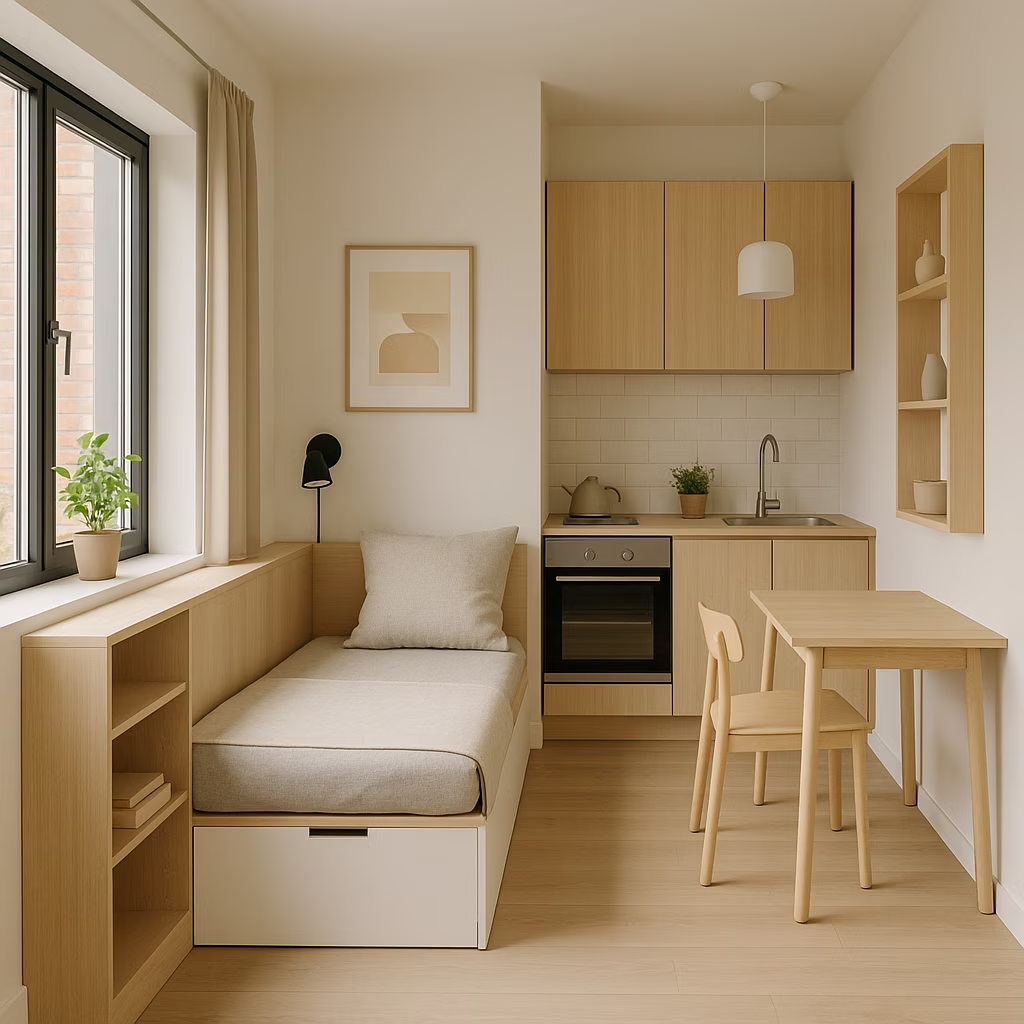
Natural wood serves as the cornerstone of authentic farmhouse dining rooms. From substantial dining tables to intricate cabinetry, wooden elements establish the foundational warmth characteristic of this style. Designers often recommend mixing various wood tones—perhaps combining lighter oak chairs with a darker walnut table—to avoid monotonous visuals. The strategic introduction of metallic accents, such as iron chair frames or brass light fixtures, creates pleasing contrasts that elevate the overall design.
Architectural details play a crucial role in achieving farmhouse authenticity. Beadboard, shiplap, and wainscoting introduce texture and historical resonance to dining spaces. While traditional farmhouse settings often leave wood paneling in its natural state, contemporary interpretations might feature painted versions in neutral hues. This adaptation allows the style to bridge traditional and modern aesthetics, particularly useful for those seeking the "modern farmhouse" look that has gained significant popularity in recent years.
The curation of vintage items and collections infuses spaces with personality and history. Searching for unique pieces at estate sales, antique markets, or family attics becomes a rewarding endeavor. These artifacts—whether mismatched china, weathered picture frames, or time-worn utensils—tell stories that mass-produced items cannot replicate. Displaying collections on open shelving or within glass-front cabinets transforms functional storage into visual narratives.
Designing farmhouse dining rooms requires balancing authenticity with practicality. While the style celebrates imperfections through distressed finishes and worn surfaces, maintaining spatial harmony remains essential. Symmetrical arrangements of furniture and decor create visual stability, while intentional imperfections add character. This delicate equilibrium prevents spaces from feeling overly curated or artificially aged.
Incorporating natural elements extends beyond wood to include living components. Potted plants, fresh flowers, or even dried botanical arrangements bring vitality to dining areas. Terracotta pots, ceramic vases, or woven baskets complement the organic aesthetic while serving as practical containers. For those desiring stronger connections to agricultural roots, incorporating herb planters or small vegetable arrangements reinforces the farm-to-table concept.
Lighting choices significantly impact the farmhouse ambiance. Statement chandeliers—whether wrought iron designs with candle-style bulbs or rustic wooden fixtures with metal accents—serve as focal points. The trend of blending glamorous elements with rustic foundations creates intriguing contrasts; crystal embellishments on otherwise simple fixtures introduce subtle sophistication without compromising the style's essential character.
Textiles provide opportunities to layer texture and pattern. Linen tablecloths, cotton napkins, and wool throws introduce softness against harder wooden surfaces. Patterns might include subtle checks, understated stripes, or minimal floral motifs that reference rural landscapes without becoming overly thematic. These elements easily adapt to seasonal changes, allowing homeowners to refresh their spaces with minimal effort.
Color palettes typically emphasize neutral foundations—creams, beiges, grays, and whites—that highlight natural materials. Accent colors often draw inspiration from the environment: earthy greens, sky blues, or sunset terracottas. These restrained schemes create calming backdrops for social gatherings while allowing architectural details and cherished objects to stand out.
Regional variations offer fascinating interpretations of farmhouse style. Southwestern versions might incorporate vibrant colors and geometric patterns alongside traditional wooden elements, while Scandinavian influences favor lighter tones and minimalist approaches. These adaptations demonstrate the style's versatility while maintaining its core principles of authenticity and connection to nature.
For contemporary homes with open-plan layouts, defining dining areas within larger spaces presents creative challenges. Area rugs help anchor dining zones, while consistent material flows—such as continuing wooden flooring from kitchen to dining area—maintain visual continuity. The strategic placement of lighting fixtures above tables further delineates functional zones within open environments.
Smaller dining spaces benefit from focused applications of farmhouse principles. Rather than overwhelming limited square footage with multiple stylistic elements, selecting two or three key features—a rustic table, vintage light fixture, or reclaimed wood accent wall—creates concentrated impact. Multifunctional furniture, such as benches with storage or expandable tables, addresses practical needs while maintaining aesthetic coherence.
Outdoor dining areas present unique opportunities for farmhouse expression. Weather-resistant wooden tables, wrought iron details, and stone surfaces extend the style beyond interior spaces. Incorporating elements like hanging lanterns, climbing plants, and rustic serving pieces creates seamless transitions between indoor and outdoor entertaining areas.
The evolution of farmhouse style continues to incorporate contemporary influences while honoring its origins. Current interpretations might feature cleaner lines, minimalist approaches, or fusion with other design styles like coastal or industrial aesthetics. This adaptability ensures the style remains relevant while preserving its essential character—a celebration of simplicity, authenticity, and warmth that makes every meal feel like a gathering at the heart of a home.