 SmallSpaceNest
7 Holiday Decor Items Minimalists Will Never Buy in 2026
As the holiday season approaches, the temptation to fill every corner with festive cheer can be overwhelming. But for a growing number of minimalists, the mantra is less about abundance and more about intention. The minimalist approach to holiday decorating isn’t about skipping the festivities—it’s about curating a space that feels calm, cozy, and genuinely meaningful. In 2026, many design experts agree that knowing what to avoid is just as important as knowing what to bring in. From fragile ornaments to loud signage, here are seven items minimalists are keeping far from their holiday lists.
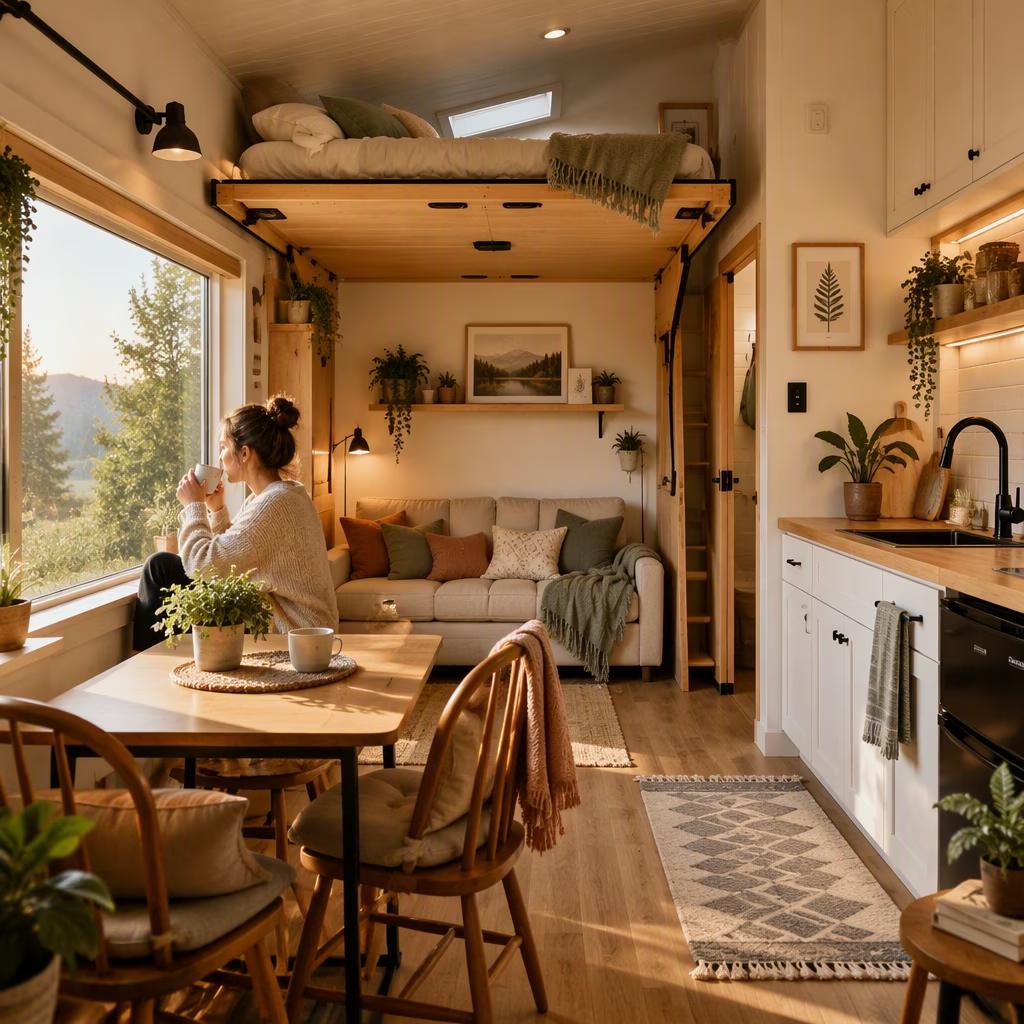
Minimalism has evolved into a lifestyle that values serenity over spectacle. Cassiana Jensen, owner of Cassiana Jensen Interiors, points out that minimalists prioritize lasting comfort over fleeting sparkle. This guiding principle shapes every purchase—especially during the holidays when stores are packed with eye-catching but ultimately disposable decor. KateLynn Efendiyev of Spaces by Kate and Miranda Cullen of Inside Stories echo this sentiment, advocating for pieces that add warmth without visual noise.
1. Delicate Glass Ornaments
Glass ornaments may shimmer beautifully on a tree, but they clash with the ease a minimalist home requires. “Avoid glass ornaments or fragile decor,” Jensen advises. “Even though glass ornaments can be beautiful, comfort and peace matter more.” Homes with children or pets find them particularly impractical. A minimalist tree can still sparkle with sturdy, elegant alternatives like wooden or fabric ornaments that withstand everyday life while keeping the aesthetic clean.
2. Low-Quality, Disposable Decor
The dollar-section bins brimming with inexpensive holiday knick-knacks hold little appeal for someone committed to a clutter-free space. Jensen explains that minimalists refuse to pick up “low-quality or disposable items because they create clutter and lack the warmth that makes a space feel loved.” Instead of buying new plastic Santas each year, minimalists hunt for secondhand treasures at thrift stores—vintage finds that carry history and character. This approach not only reduces waste but also builds a collection that feels truly personal.
3. Oversized Ornaments
While a giant candy cane or a massive glittering star might seem whimsical, they often disrupt the balance of a room. Jensen warns that “oversized ornaments can feel harsh and take away the natural calm.” Minimalists lean toward soft, timeless decor. Smaller, neutral-toned baubles, paired with warm white lights, let the tree feel inviting without dominating the entire space. In 2026, the trend is shifting toward tree decorations that blend seamlessly with a year-round neutral palette.
4. Everything Glitter
Glitter is notorious for its staying power—long after the holidays, it clings to carpets, furniture, and clothing. Efendiyev says, “I shy away from glitter. Instead, I look for items that are shiny with smooth gold and silver textures.” Metallic finishes in brushed brass or satin nickel offer that same festive glow without the mess. To inject color, Efendiyev recommends using rich jewel tones like deep blue, burgundy, and emerald, which add depth and playfulness without the chaos of sparkly fallout.
5. Faux Greenery
Artificial garlands and wreaths may promise convenience, but to a minimalist they are just more items to dust and store. “I lean toward natural items such as wreaths, pine garlands, and other flowers,” says Efendiyev. Real greenery not only looks fresher and smells divine but also aligns with a simpler, nature-inspired aesthetic. In 2026, many minimalists are even opting for potted evergreens that can be used beyond December, reinforcing the idea that decor should serve multiple purposes.
6. Themed Trinkets and Figurines
Miniature Christmas villages and rows of Santa figurines might charm some, but they quickly become clutter. Cullen strongly advises, “Skip all the tiny themed trinkets that clutter a room without adding anything meaningful. The goal is to create an atmosphere, not overwhelm it. Think warm winter, not big-box Christmas aisle.” Instead, minimalists will arrange a single statement piece—a hand-carved nativity or a simple ceramic candleholder—that captures the spirit without filling every shelf.
7. Word Art and Loud Signage
Signs proclaiming “Believe” or “Santa Stop Here” are the antithesis of subtlety. Cullen urges holiday decorators to “avoid the word art and loud signage.” Minimalists favor elevated, sensory-driven touches: the glow of a fire, the scent of cinnamon, or the texture of a wool blanket. These elements evoke the season more powerfully than any text ever could. In 2026, whispers of the holidays through sensory experiences are replacing the need for spelled-out directives.
As the festive season unfolds, minimalists remind us that less truly can be more. By steering clear of these seven decor traps, anyone can craft a home that feels both celebratory and serene. The focus shifts from acquiring more to appreciating what’s already there—a cozy glow, a natural accent, and the quiet joy that comes from a space free of excess. In 2026, the most stylish homes are those that breathe, allowing the holiday spirit to settle softly rather than shout loudly.